Retail Space for Sale GTA: The Ultimate 2026 Buyer’s Guide
The Greater Toronto Area’s retail market presents a landscape of immense opportunity-and significant challenges. For entrepreneurs and investors alike, navigating the search for retail space for sale GTA can be an overwhelming ordeal, marked by high stakes, complex zoning laws, and the persistent fear of hidden costs. It’s a dynamic market where strategic decisions define success, and a single misstep can prove exceptionally costly to your business or portfolio.
This is where clarity and expert guidance become your most valuable assets. Our Ultimate 2026 Buyer’s Guide is engineered to cut through the noise, providing the strategic insights you need to confidently evaluate a property’s financial viability, identify locations primed for high visibility, and understand the nuances of the GTA’s key retail hubs. Prepare to move beyond uncertainty and secure the perfect commercial space with unwavering confidence and a clear path to success.
Key Takeaways
- Strategically match your business model to the right type of retail property-from high-street storefronts to plaza units-to maximize your investment’s potential.
- Master a due diligence checklist to evaluate properties beyond the asking price, assessing crucial factors like zoning, demographic trends, and long-term asset value.
- Confidently navigate the complex purchase process for any retail space for sale GTA, from securing commercial financing to successfully closing the deal.
- Learn how partnering with a commercial real estate specialist provides a critical advantage through expert negotiation and access to off-market opportunities.
Decoding the GTA Retail Landscape: Types of Spaces & Key Markets
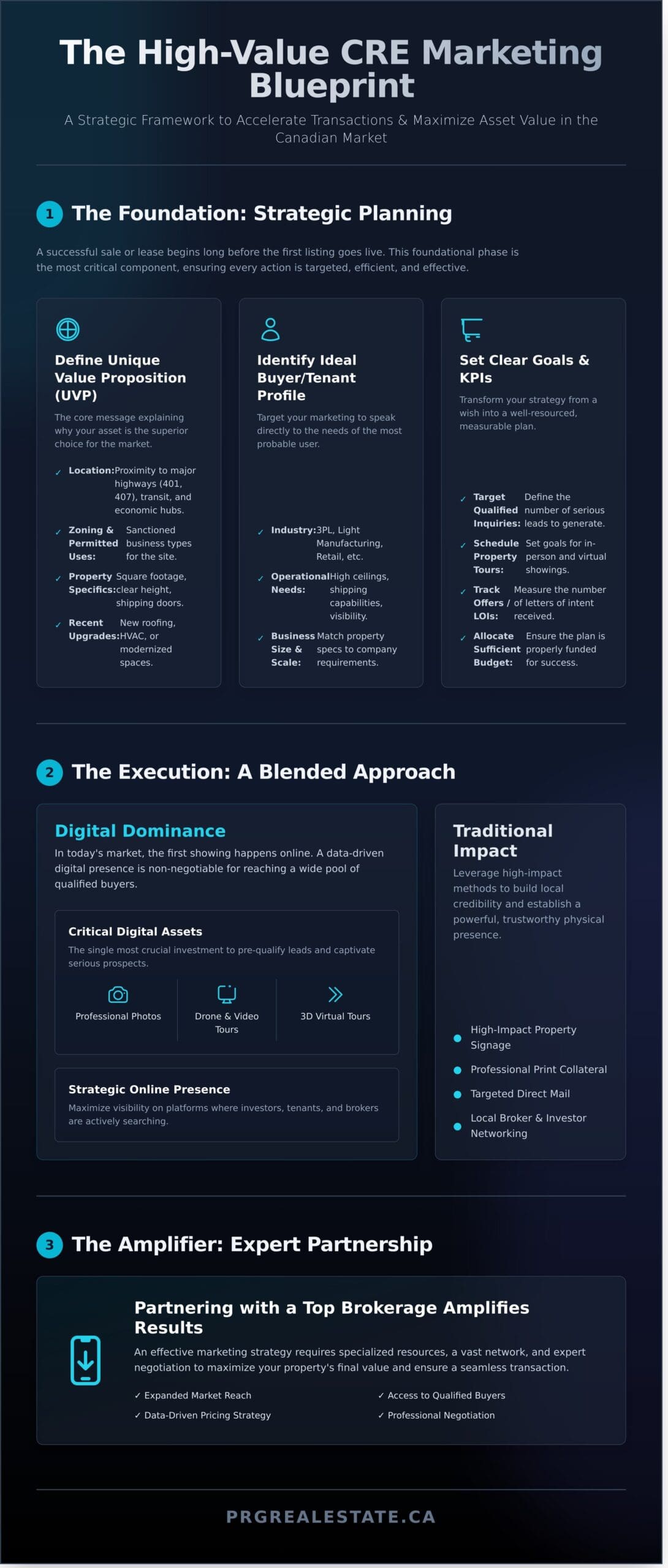
Securing the right commercial property is a strategic imperative for any successful business or investor. The Greater Toronto Area presents a dynamic and complex market, where understanding the nuances of property types and regional economic drivers is paramount. Before diving into specific listings, it’s essential to grasp the fundamentals of what is commercial property and how its different forms serve distinct strategic goals. A well-informed approach ensures your investment aligns perfectly with your operational needs and long-term financial objectives.
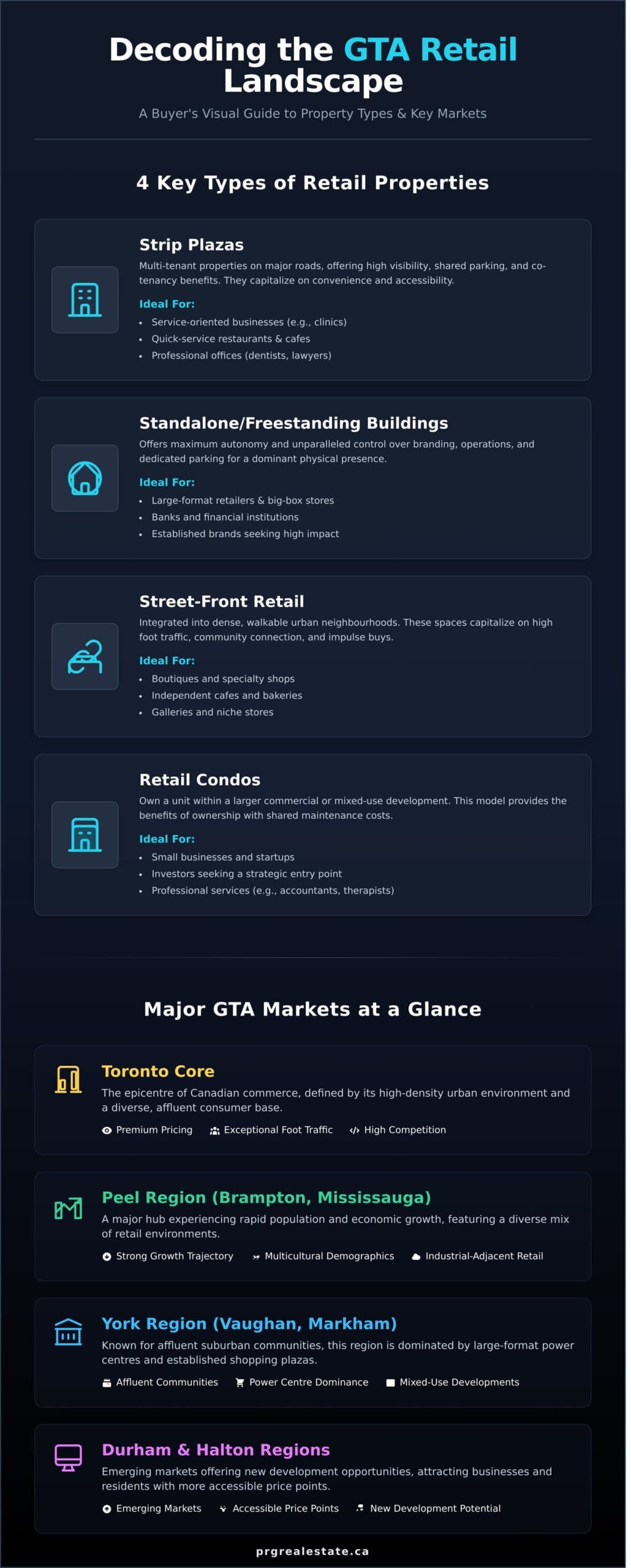
Types of Retail Properties Explained
Choosing the correct asset class is the first step in refining your search for retail space for sale GTA. Each property type offers unique advantages:
- Strip Plazas: These multi-tenant properties offer high visibility on major arterial roads and benefit from shared parking and co-tenancy. They are ideal for service-oriented businesses like clinics, quick-service restaurants, and professional offices that thrive on convenience and accessibility.
- Standalone/Freestanding Buildings: Offering maximum autonomy, these properties provide unparalleled control over branding, operations, and parking. They are a prime choice for large-format retailers, banks, and established brands seeking a dominant physical presence.
- Street-Front Retail: Integrated into dense, walkable urban neighbourhoods, these spaces capitalize on high foot traffic. They are perfectly suited for boutiques, cafes, and specialty shops that benefit from a strong community connection and impulse buys.
- Retail Condos: This model allows you to own a unit within a larger commercial plaza or mixed-use development. It provides the benefits of property ownership with shared maintenance costs, making it a strategic entry point for small businesses and investors.
Major GTA Markets at a Glance
The GTA is not a monolith; each region presents a distinct investment landscape with its own consumer demographics and growth trajectory.
- Toronto Core: The epicentre of Canadian commerce, characterized by high-density, a diverse consumer base, and premium pricing. Foot traffic is exceptional, but so is the competition.
- Peel Region (Brampton, Mississauga): A hub of rapid population and economic growth. This area features a strong mix of industrial-adjacent retail and bustling suburban shopping centres catering to a multicultural demographic.
- York Region (Vaughan, Markham): Known for its affluent suburban communities, York is dominated by large power centres, established plazas, and a growing number of mixed-use developments.
- Durham & Halton Regions: These are emerging markets offering significant new development opportunities and more accessible price points. They are attracting both new businesses and residents, signaling strong future growth potential.
The Investor’s Checklist: How to Evaluate a Retail Property
Securing a high-value commercial property requires a strategic evaluation that extends far beyond the initial asking price. Seasoned investors understand that true value is uncovered through meticulous due diligence, focusing on the tangible metrics that drive long-term profitability. This checklist provides the expert framework to assess any retail space for sale in the GTA, ensuring your capital is deployed with precision and foresight.
Location & Accessibility Analysis
The adage “location, location, location” is paramount in retail. A comprehensive analysis involves more than a simple map search. Your due diligence should include:
- Traffic and Demographics: Verify vehicle and pedestrian traffic counts using municipal data or third-party studies. Analyze neighbourhood demographics to ensure the local consumer base aligns with your target market’s spending habits.
- Visibility and Access: Evaluate the property’s street-front visibility, potential for prominent signage, and ease of access for customers, including parking availability and entry/exit points.
- Retail Synergy: Assess proximity to anchor tenants (like major grocery stores or banks) and complementary businesses that draw a consistent flow of potential customers to the area.
Zoning, Condition, and Permitted Use
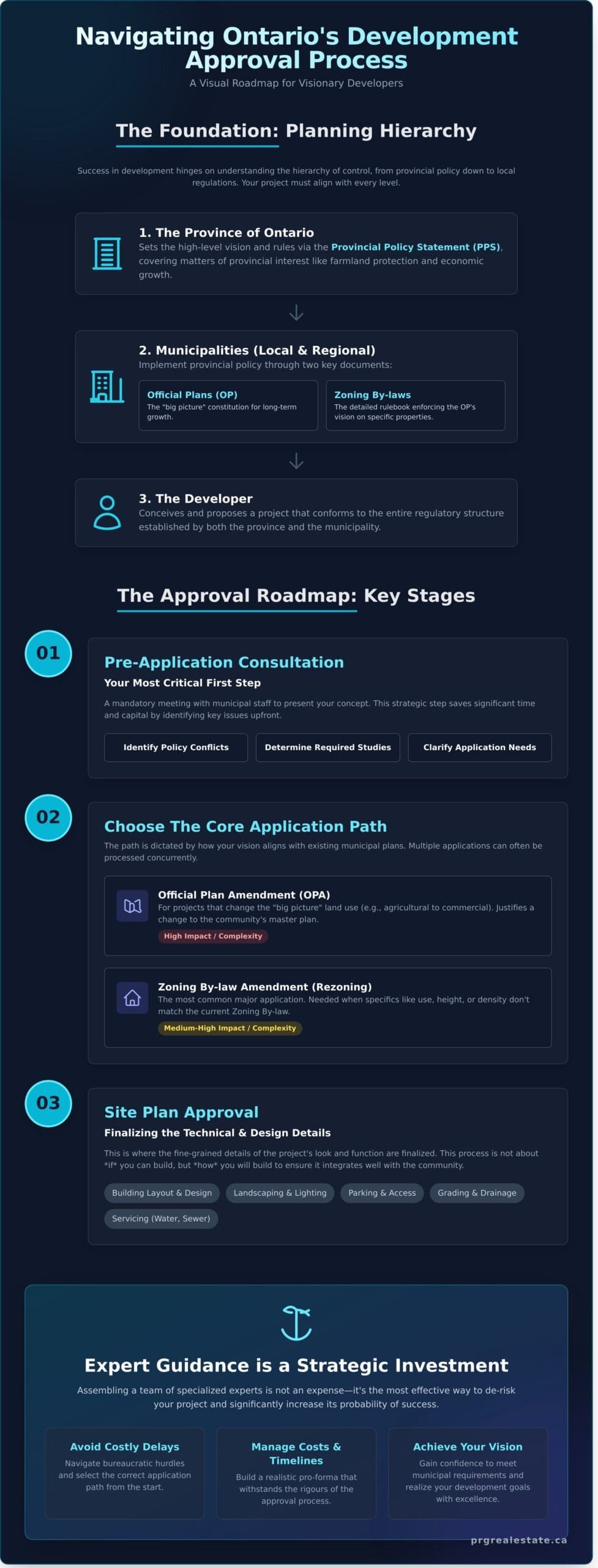
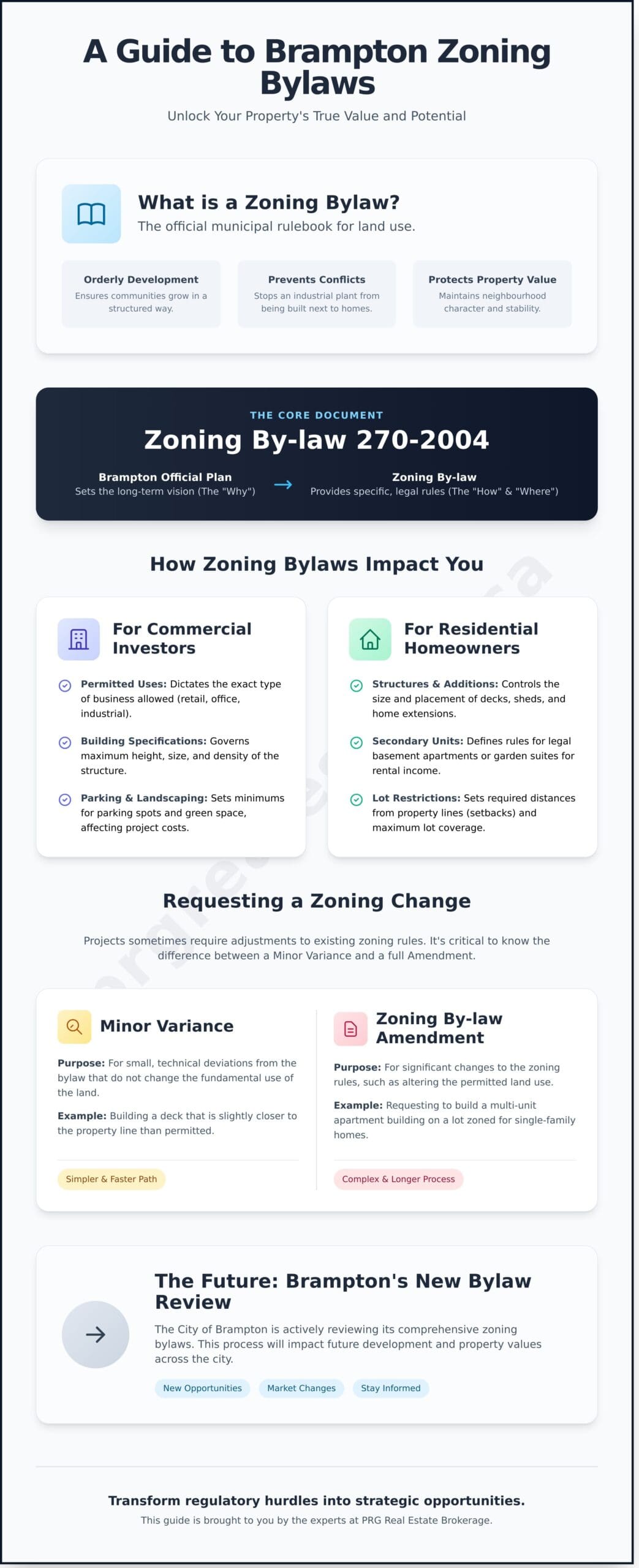
Operational viability depends on the property’s physical and legal standing. Before proceeding, you must confirm the site’s suitability. Investigate municipal zoning bylaws and future land use plans to ensure your intended use is permitted. A professional Property Condition Assessment (PCA) is non-negotiable; it uncovers the true state of the building’s structure, roof, and essential systems, identifying potentially costly future repairs. If the property has existing tenants, a thorough review of all lease agreements is critical to understand current income, terms, and obligations.
Financial Due Diligence: Beyond the Price Tag
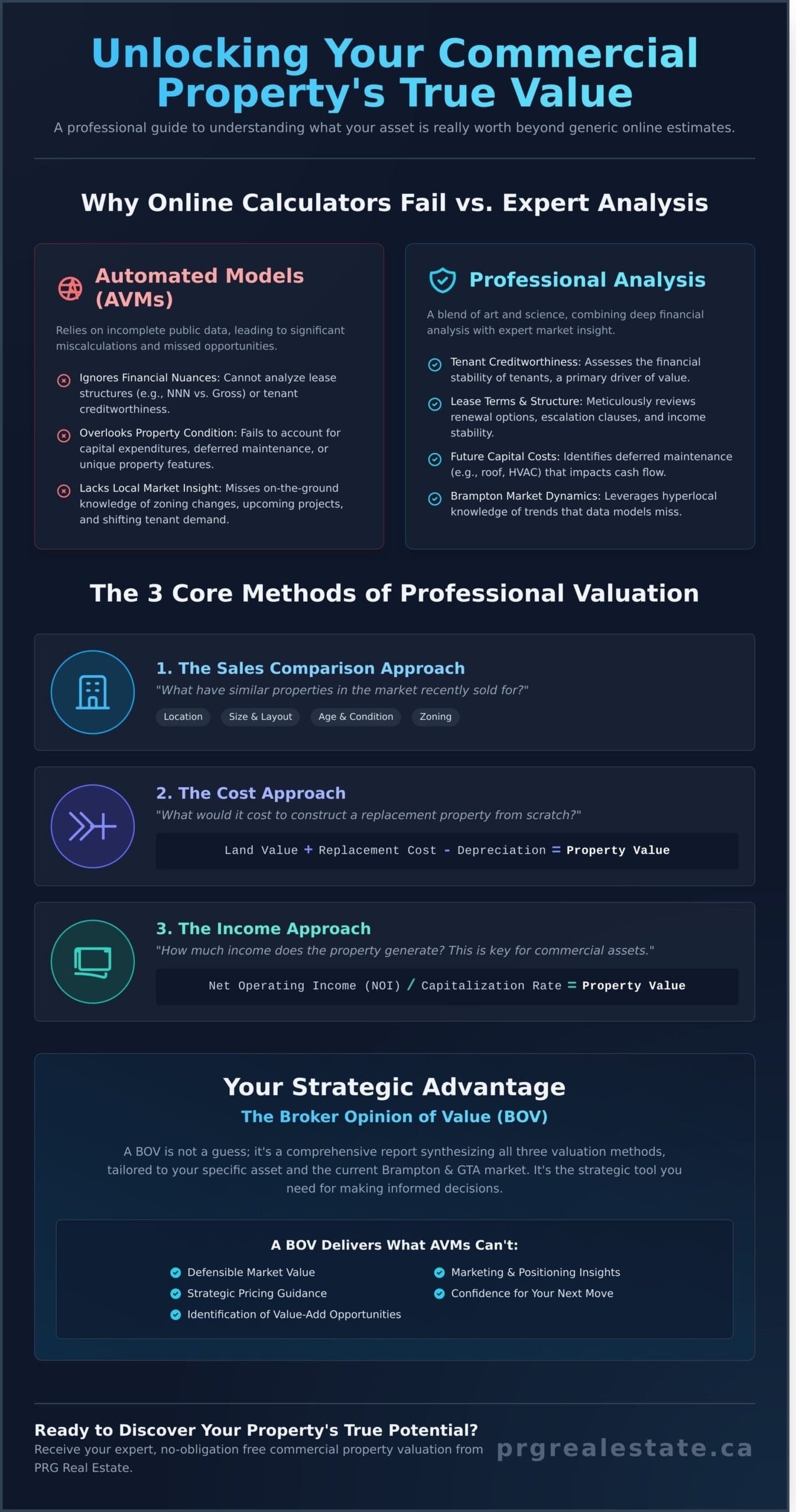
A successful investment is built on sound financial analysis. Go beyond the surface-level numbers to calculate the property’s true potential. Key metrics include the Capitalization (Cap) Rate, which indicates the rate of return based on expected income. You must also project the Cash-on-Cash Return to understand your ROI on the actual capital invested. Scrutinize all operating expenses, from property taxes and insurance to common area maintenance (CAM) costs. Finally, comparing the property to recent, similar sales (comparables) is fundamental. For a definitive standard on this process, investors should align their analysis with Canada’s official property valuation guidelines, which set the benchmark for accurate market assessment.
The Purchase Process: From Securing Financing to Closing the Deal
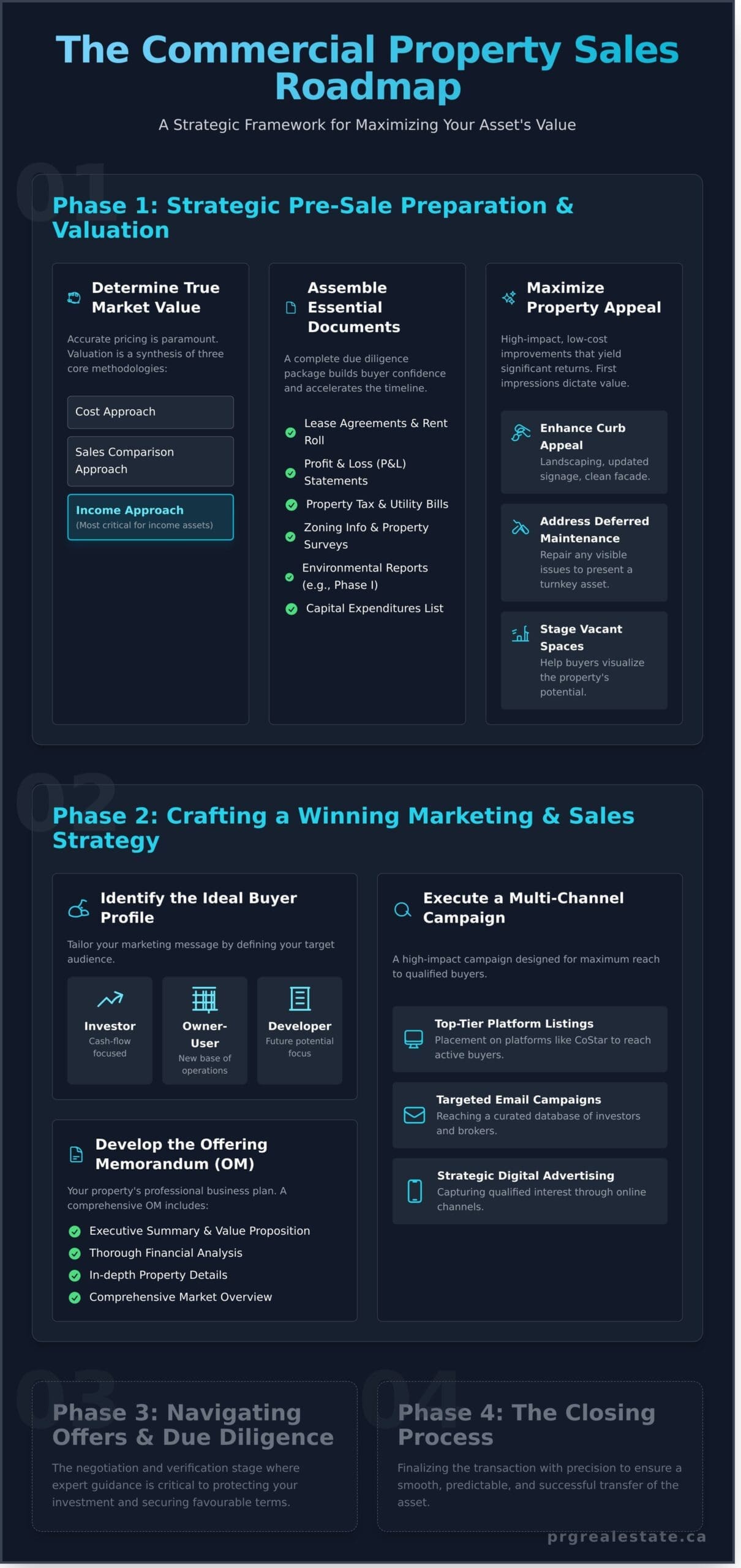
Navigating the acquisition of commercial real estate is a disciplined, multi-stage process that demands precision and strategic insight. Unlike residential transactions, purchasing retail space for sale in the GTA involves greater complexity and higher stakes. Understanding this path is the first step toward a successful investment. At PRG Real Estate Brokerage, we demystify this journey, guiding you from initial financial preparations to the final transfer of ownership with unwavering expertise.
Step 1: Financing and Pre-Approval
Securing financing for a commercial property is fundamentally different from a residential mortgage. Lenders assess the property’s potential income and your business’s financial health, not just personal credit. A comprehensive business plan and detailed financial statements are non-negotiable. We strongly advise obtaining financing pre-approval before beginning your search. This step not Monly defines your budget but also positions you as a credible, serious buyer in a competitive market. Options range from traditional bank loans to CMHC-insured financing and private lending solutions.
Step 2: Making an Offer and Negotiation
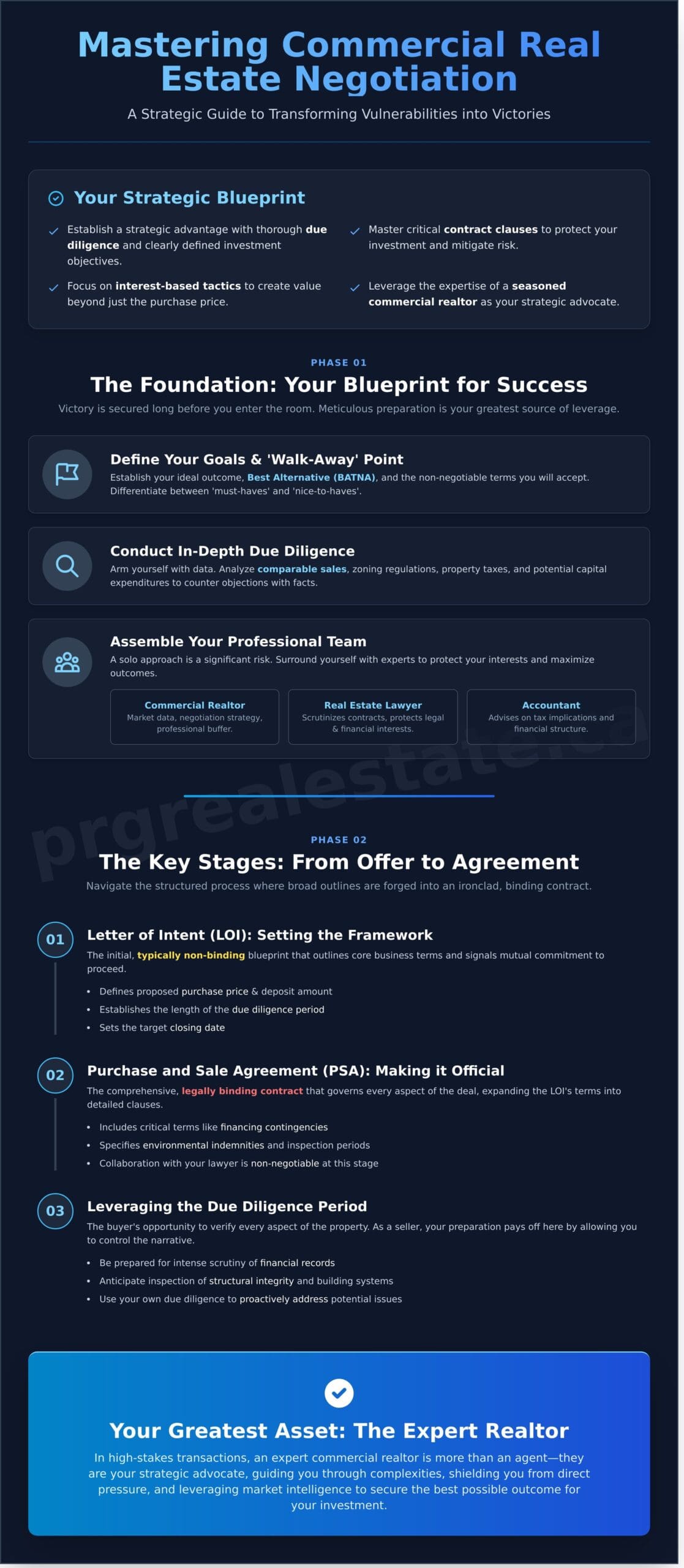
Once you identify a target property, the next step is structuring a compelling offer. This typically begins with a Letter of Intent (LOI) to outline key terms, followed by a formal, legally binding Agreement of Purchase and Sale (APS). Strategic negotiation is critical, focusing on more than just price. Key terms include:
- Purchase Price: The initial offer and subsequent counter-offers.
- Closing Date: The timeline for finalizing the transaction.
- Conditions (Clauses): Safeguards that must be met, such as securing financing, satisfactory building inspections, and environmental assessments.
An expert commercial realtor is your greatest asset here, leveraging market knowledge to negotiate terms that protect your interests and optimize your investment.
Step 3: Due Diligence and Closing
After an offer is accepted, the conditional or “due diligence” period begins. This is a critical window to verify every aspect of the property with a team of professionals, including lawyers, accountants, and inspectors. Key activities include conducting a title search, performing environmental site assessments (ESAs), and confirming the property’s physical condition and zoning compliance. Analyzing the investment against current Canadian commercial real estate market trends ensures its long-term viability. Once all conditions are waived and financing is finalized, your lawyer will prepare the statement of adjustments and facilitate the transfer of ownership, officially closing the deal on your new retail space.
Why Partner with a Commercial Real Estate Specialist?
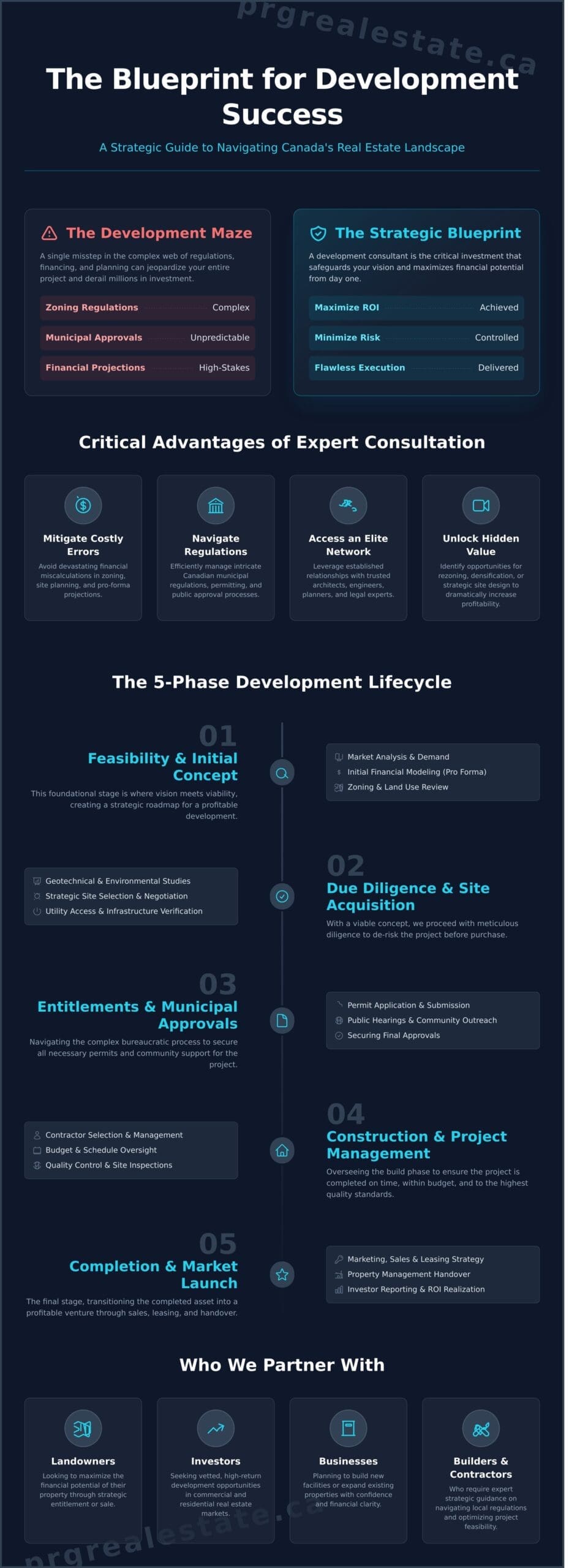
Identifying potential properties is a crucial first step, but securing the right asset on optimal terms requires a level of expertise that goes far beyond public listings. In the highly competitive Greater Toronto Area, the difference between a profitable investment and a costly mistake often comes down to the partner you choose. Attempting to navigate this complex market alone or with a generalist realtor can expose you to unseen risks, missed opportunities, and unfavourable negotiations.
A dedicated commercial real estate specialist acts as your strategic advisor, providing the market intelligence and industry access necessary to achieve your investment objectives. Their value is measured not in commissions, but in the long-term success of your acquisition.
The Strategic Advantage of Market Expertise
Partnering with a top-tier commercial realtor provides an immediate and decisive competitive advantage. This expertise manifests in several critical areas:
- Access to Off-Market Properties: Gain exclusive entry to a pipeline of retail properties that are not advertised publicly, giving you the first opportunity to evaluate and acquire premier assets.
- Deep Regulatory Knowledge: Navigate complex local zoning, municipal bylaws, and future development plans with confidence, ensuring your chosen property aligns with your business goals and avoids costly compliance issues.
- Expert Valuation and Analysis: Leverage sophisticated, data-driven valuation techniques to ensure you pay the right price. We analyze sales comparables, income potential, and market trends to protect your capital.
- An Established Professional Network: Instantly connect with our trusted network of commercial lawyers, lenders, contractors, and inspectors, streamlining every stage of the transaction.
How PRG Real Estate Delivers Results
At PRG Real Estate, our entire approach is engineered to deliver superior outcomes for our clients seeking retail space for sale GTA-wide. We don’t just facilitate transactions; we build strategic partnerships. Our focus on data-driven investment analysis means every recommendation is backed by rigorous market intelligence. We employ proven negotiation tactics to secure the most favourable terms, from price to closing conditions, safeguarding your interests at every turn.
Our commitment is to become your trusted advisors for life. This philosophy drives our unwavering dedication to client success, from securing your first property in Brampton’s commercial core to expanding your portfolio into the GTA’s emerging markets.
Your Next Steps to Acquiring Retail Property
The path to acquiring your ideal retail property begins with a clear, strategic plan. We start with a no-obligation consultation to understand your specific business objectives, investment criteria, and long-term vision. From there, we develop a customized property search and acquisition strategy tailored to your unique needs.
Take the decisive step towards securing your next commercial investment. Schedule your strategic consultation with our experts today.
Your Next Step Towards Commercial Excellence in the GTA
Navigating the Greater Toronto Area’s dynamic commercial landscape requires a strategic, informed approach. As this guide has detailed, your success hinges on a deep understanding of the diverse property types across key markets, conducting meticulous due diligence using a comprehensive investor’s checklist, and mastering the legal and financial complexities of the purchase process. Ultimately, the most critical factor in securing a profitable retail space for sale GTA is partnering with a specialist who provides expert guidance.
At PRG Real Estate, our team embodies this specialized expertise. We deliver a proven, results-oriented approach focused on identifying and securing strategic investments that align with your long-term portfolio goals. Led by our award-winning Broker of Record, Harsh Pabla, our firm’s unwavering commitment to excellence ensures you receive unparalleled market insight and formidable negotiation power. Don’t leave your next major acquisition to chance; partner with a team built on trust, loyalty, and a track record of success.
Connect with PRG’s top commercial realtors to find your ideal retail space.
Your 2025 commercial real estate success story starts now.
Frequently Asked Questions About Retail Space for Sale in the GTA
What is a ‘Cap Rate’ and how is it used to evaluate retail properties?
The Capitalization Rate, or ‘Cap Rate,’ is a fundamental metric in commercial real estate. It is calculated by dividing a property’s Net Operating Income (NOI) by its current market value, expressed as a percentage. Investors utilize the Cap Rate to efficiently compare the profitability and risk profile of various properties. A higher Cap Rate generally suggests a higher potential return on investment but may also indicate greater associated risk.
How much capital do I need for a down payment on a commercial retail space in the GTA?
In Canada, commercial mortgages require a more substantial down payment than residential loans. For a retail property in the Greater Toronto Area, prospective buyers should prepare for a minimum down payment ranging from 25% to 35% of the total purchase price. This figure can fluctuate based on the lender’s criteria, the property’s specifics, and your financial strength. Consulting a commercial mortgage specialist is a crucial step to determine your exact capital requirements.
What are the main differences between buying a retail property versus leasing one?
Buying a retail property is a strategic investment that allows you to build equity, gain from potential appreciation, and maintain full control over your premises. In contrast, leasing offers greater flexibility, requires significantly less upfront capital, and typically places the burden of major property maintenance on the landlord. The optimal decision depends on your company’s long-term strategic goals, financial capacity, and operational needs, weighing the benefits of ownership against the flexibility of leasing.
How long does the entire process of buying a retail space typically take?
The timeline for acquiring a commercial retail space varies based on transaction complexity. From the initial property search and analysis to the final closing, the process typically spans from three to nine months. This period includes critical stages such as conducting comprehensive due diligence, securing appropriate financing, and finalizing all legal documentation. Engaging an expert commercial real estate team is essential to navigate this process efficiently and avoid unnecessary delays.
What are the most common mistakes first-time commercial investors make?
First-time investors often make the critical error of performing inadequate due diligence, overlooking crucial details like zoning restrictions, environmental reports, and building condition. Another frequent mistake is underestimating the total acquisition and operational costs. Attempting to navigate the market for retail space for sale GTA without representation from a seasoned commercial realtor can lead to a misaligned investment that fails to meet strategic objectives.
Can I buy a retail property through my corporation?
Yes, purchasing commercial real estate through a corporation is a standard and often advantageous practice. This structure provides a crucial layer of liability protection, separating your personal assets from your business interests. It can also offer distinct tax efficiencies. To ensure you establish the most beneficial ownership structure for your investment goals, it is imperative to seek professional advice from your legal and accounting advisors before proceeding with an acquisition.